Telemedicine Best Practices for Indian Doctors in 2025
The Telemedicine Tsunami: Navigating Best Practices for Indian Doctors Post-2024
Imagine this: It’s a sweltering afternoon in Kanpur. Dr. Sharma, a seasoned GP, is juggling a packed waiting room. A young mother rushes in, frantic – her child has a high fever and a worrying rash. Simultaneously, his phone buzzes – a regular patient from a remote village needs a refill on his diabetes medication, but can't make the journey into the city. This is the reality for countless Indian doctors – stretched thin, serving diverse needs across vast distances. Telemedicine promised a solution, but how do we ensure it's effective, ethical, and truly beneficial for both doctors and patients in this post-pandemic era?
This article is your guide. It’s designed for Indian clinic owners, GPs, specialists, and hospital administrators like you – busy professionals who need practical, actionable advice, not theoretical fluff. We'll cut through the hype and focus on what works, what's required, and how to navigate the evolving landscape of telemedicine in India, especially considering the realities beyond the major metros. We'll cover best practices, address common concerns, and explore how tools like Ayu can help you leverage telemedicine effectively.
I. Understanding the Telemedicine Landscape in India: Growth, Challenges, and Opportunities
Telemedicine is no longer a futuristic concept; it's a rapidly expanding reality in India. The numbers speak for themselves: the Indian telemedicine market is projected to surge from USD 4.48 billion in 2026 to a staggering USD 12.63 billion by 2031, boasting a CAGR of 23.05%. Other estimates even suggest a market value of USD 20.02 billion by 2034. This growth is fueled by increasing internet penetration, smartphone adoption, and government initiatives like the Ayushman Bharat Digital Mission (ABDM) and eSanjeevani. As of November 2024, eSanjeevani has facilitated over 276 million teleconsultations nationwide, a testament to its reach and impact.
However, this rapid expansion comes with its own set of challenges. Let's face it: the realities of practicing telemedicine in a Tier 2 city like Meerut are vastly different from those in Mumbai.
Key Challenges for Indian Doctors:
- Infrastructure Gaps: Inconsistent internet connectivity, especially in rural areas, remains a significant hurdle. Imagine trying to diagnose a patient with blurry video or constant disconnections. Over 100,000 villages still struggle with unreliable internet access.
- Digital Literacy Divide: Many patients, particularly older adults and those in rural communities, lack the digital skills necessary to navigate telemedicine platforms effectively. Explaining how to use a video call to a 70-year-old farmer in his local dialect can be a test of patience and ingenuity.
- Data Privacy and Security Concerns: Patients are understandably wary of sharing sensitive health information online. Ensuring robust data protection measures is crucial for building trust.
- Integration Hurdles: Integrating telemedicine into existing clinic workflows can be complex, especially if you're dealing with legacy systems and paper-based records.
- Medico-legal Ambiguity: While the Telemedicine Practice Guidelines provide a framework, specific legislation addressing medicolegal issues in telemedicine is still evolving.
- Uneven Distribution of Healthcare Professionals: India has a significant shortage of doctors, particularly specialists, and many are concentrated in urban areas. Telemedicine can help bridge this gap, but only if implemented effectively.
- Trust Deficit in Smaller Cities: Patients in smaller cities often travel to metros for advanced care due to a perception of lower quality healthcare locally. Telemedicine needs to overcome this trust gap.
II. Essential Telemedicine Best Practices for Indian Doctors (Post-2024)
Navigating these challenges requires a clear understanding of best practices. These aren't just suggestions; they're essential for providing safe, ethical, and effective telemedicine services.
1. Adherence to the Telemedicine Practice Guidelines (TPG):
- What it is: The TPG, issued by the National Medical Commission (NMC), are the cornerstone of telemedicine practice in India. They outline the legal and ethical framework for providing remote consultations.
- Why it matters: Compliance with the TPG is mandatory. Failure to adhere can lead to legal repercussions.
- Actionable Steps:
- Download and thoroughly review the TPG document. It's available on the NMC website.
- Implement policies and procedures within your clinic to ensure compliance.
- Provide regular training to your staff on the TPG.
2. Valid Registration is Non-Negotiable:
- What it is: Only Registered Medical Practitioners (RMPs) enrolled with the NMC or state medical councils can legally provide teleconsultations.
- Why it matters: Practicing telemedicine without valid registration is illegal and unethical.
- Actionable Steps:
- Ensure all doctors providing teleconsultations in your clinic have valid and up-to-date registration.
- Verify the registration status of any locum doctors or consultants you engage for telemedicine services.
3. Patient Identification and Informed Consent: Building Trust Remotely:
- What it is: Verifying patient identity and obtaining informed consent are crucial in telemedicine. Since you're not physically present, building trust is paramount.
- Why it matters: Protects against fraud, ensures patients understand the limitations of telemedicine, and empowers them to make informed decisions.
- Actionable Steps:
- Implement a robust patient identification process. This can include requesting a photo ID, Aadhaar card, or ABHA ID (Ayushman Bharat Health Account).
- Obtain explicit consent for telemedicine. This should include explaining the scope of the consultation, the limitations of remote diagnosis, and the potential need for in-person examination.
- Document the consent process in the patient's record.
4. Scope of Practice: Knowing Your Limits:
- What it is: The TPG defines the types of medications that can and cannot be prescribed via telemedicine.
- Why it matters: Prescribing outside the allowed scope can have serious legal and medical consequences.
- Actionable Steps:
- Familiarize yourself with the list of medications that can be prescribed via telemedicine.
- Understand the restrictions on prescribing narcotics, psychotropics, and Schedule X drugs.
- Develop a protocol for referring patients for in-person evaluation when necessary.
5. Digital Records Management: Compliance and Continuity of Care:
- What it is: Maintaining accurate and secure digital records is essential for telemedicine.
- Why it matters: Ensures continuity of care, facilitates audit trails, and protects against medico-legal issues.
- Actionable Steps:
- Use a reliable Electronic Medical Record (EMR) system that complies with Indian data privacy regulations.
- Maintain digital records for at least three years, as required by law.
- Securely share prescriptions and advice with patients.
- Ensure your EMR system allows for easy retrieval and sharing of patient data with other healthcare providers, when authorized by the patient.
6. ABDM Integration: The Future of Healthcare Interoperability:
- What it is: The Ayushman Bharat Digital Mission (ABDM) aims to create a unified digital health ecosystem in India.
- Why it matters: ABDM integration enables seamless health data exchange, improves patient care coordination, and facilitates access to government healthcare schemes.
- Actionable Steps:
- Register your clinic with the ABDM.
- Integrate your EMR system with the ABDM platform.
- Encourage patients to create ABHA IDs.
- Use ABDM to securely share patient records with other healthcare providers.
7. Professional Standards: Upholding Ethics in the Digital Realm:
- What it is: The same professional and ethical norms that apply to in-person consultations apply to telemedicine.
- Why it matters: Maintaining patient trust and upholding the integrity of the medical profession.
- Actionable Steps:
- Maintain patient confidentiality.
- Provide objective and unbiased medical advice.
- Respect patient autonomy and informed consent.
- Disclose any potential conflicts of interest.
8. Choosing the Right Technology: Video, Audio, or Text?
- What it is: Selecting the appropriate mode of communication based on the patient's condition and needs.
- Why it matters: Impacts the accuracy of diagnosis and the effectiveness of treatment.
- Actionable Steps:
- Prioritize video consultations whenever possible. Video allows for visual assessment and better communication.
- Use audio consultations when video is not feasible, but always strive for visual input.
- Reserve text-based consultations for simple follow-up questions or prescription refills.
9. Emergency Protocols: Knowing When to Say No:
- What it is: Understanding the limitations of telemedicine in emergency situations.
- Why it matters: Telemedicine should not replace in-person emergency care when it's available.
- Actionable Steps:
- Avoid telemedicine for emergency care when in-person care is readily accessible.
- Limit telemedicine in emergencies to first aid instructions, life-saving measures, counseling, and advice on referral to the nearest appropriate facility.
- Have a clear protocol for directing patients to emergency services when necessary.
10. Data Privacy: Protecting Patient Information:
- What it is: Implementing robust data security measures to protect patient confidentiality.
- Why it matters: Builds patient trust and complies with Indian data privacy laws.
- Actionable Steps:
- Use a telemedicine platform that is compliant with Indian data privacy regulations.
- Encrypt all patient data.
- Implement access controls to restrict access to patient data.
- Train your staff on data privacy best practices.
III. Bridging the Digital Divide: Telemedicine in Tier 2/3 Cities
Telemedicine's potential is immense, particularly in Tier 2 and Tier 3 cities where access to healthcare is often limited. However, implementing telemedicine effectively in these regions requires a tailored approach.
Challenges Specific to Tier 2/3 Cities:
- Limited Infrastructure: Unstable internet connectivity, power outages, and lack of advanced medical equipment are common challenges.
- Lower Digital Literacy: Patients in these areas often have lower levels of digital literacy, making it difficult for them to use telemedicine platforms.
- Specialist Shortages: Access to specialists is often limited in Tier 2/3 cities, making telemedicine even more crucial, but also more challenging to implement effectively.
- Trust Issues: Overcoming the perception that healthcare in smaller cities is inferior to that in metros is essential for building trust in telemedicine.
Strategies for Success in Tier 2/3 Cities:
- Invest in Reliable Internet Connectivity: Explore options like satellite internet or dedicated internet lines to ensure reliable connectivity.
- Provide Digital Literacy Training: Offer training programs to help patients learn how to use telemedicine platforms. Partner with local community organizations to reach a wider audience.
- Utilize Community Health Workers: Leverage the existing network of community health workers to assist patients with telemedicine consultations.
- Offer Flexible Consultation Options: Provide a range of consultation options, including audio-only consultations, to cater to patients with limited internet access or digital literacy.
- Build Trust Through Local Partnerships: Partner with local pharmacies, diagnostic centers, and community organizations to build trust and promote telemedicine adoption.
- Focus on Preventive Care: Emphasize preventive care and health education through telemedicine to reduce the burden on local healthcare facilities.
Example: Dr. Patel runs a small clinic in Nashik. He partnered with a local NGO to conduct digital literacy workshops for his patients. He also invested in a backup generator to ensure uninterrupted power supply during teleconsultations. As a result, he was able to expand his practice and serve patients in remote villages who previously had limited access to healthcare.
IV. Cost and ROI: Making the Business Case for Telemedicine
While the primary focus should always be on improving patient care, understanding the financial implications of telemedicine is crucial for making informed investment decisions.
Cost Savings:
- Telemedicine can lead to approximately 30% cost savings on overall healthcare expenses.
- Consultation costs can be reduced by up to 50% through telemedicine.
- Star Health Insurance reported overall savings of ₹25+ Crore through telemedicine consultations.
Increased Revenue:
- For hospitals in Tier 2 and Tier 3 cities, improving trust and operational efficiency through telemedicine can lead to a 220% revenue growth.
Cost-Effectiveness:
- Telehealth can be more cost-effective than traditional in-home care programs.
ROI Considerations:
- The India digital health market is projected to reach USD 106.97 billion by 2033, offering significant opportunities for clinics investing in telemedicine.
- Consider the long-term benefits of telemedicine, such as increased patient retention, improved patient satisfaction, and reduced operational costs.
Example: A small hospital in Coimbatore invested ₹5 lakh in telemedicine equipment and software. Within one year, they saw a 20% increase in patient volume and a 15% reduction in operational costs. They were also able to attract new patients from neighboring rural areas.
How Ayu Helps Your Clinic
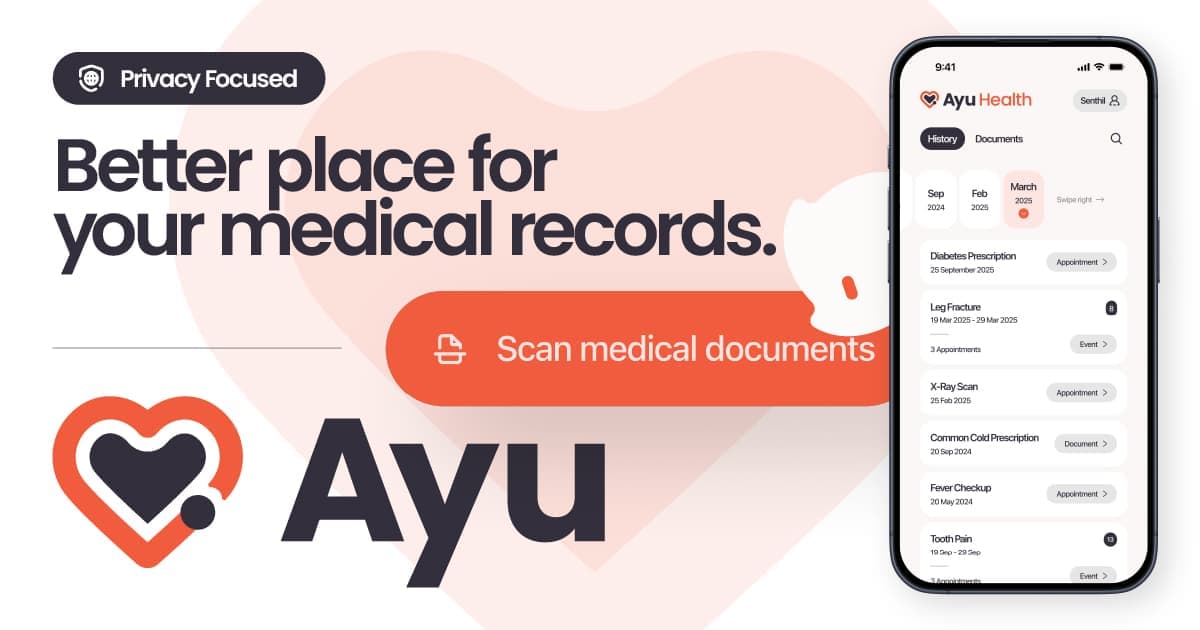
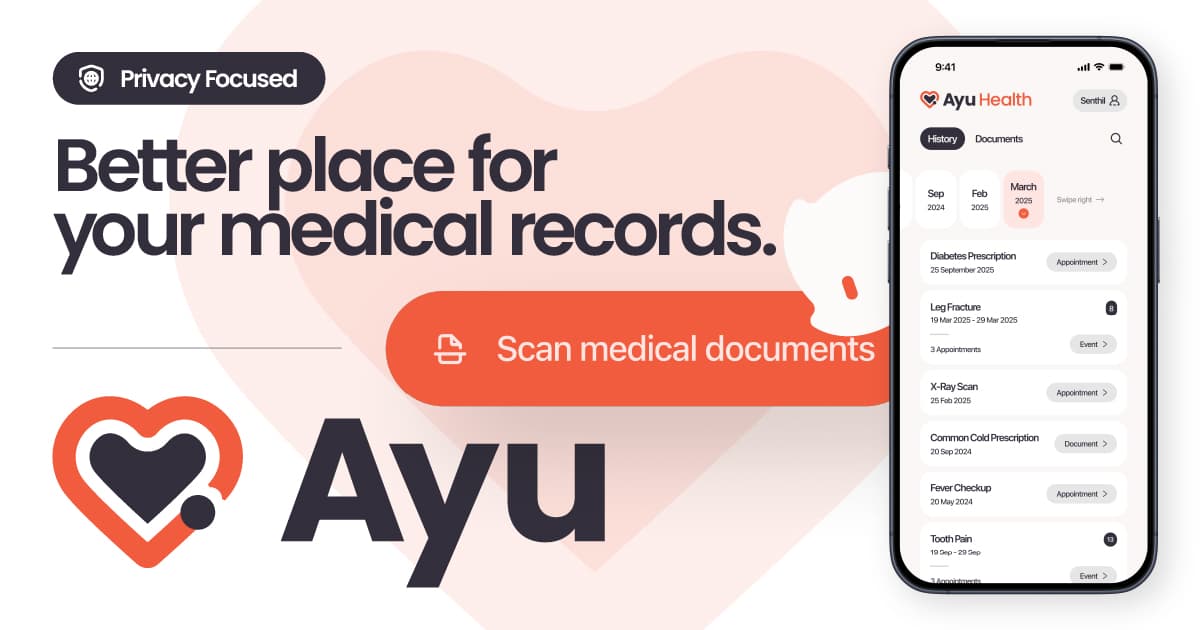
Doctors today are drowning in data but starving for insight. Every consultation generates records — prescriptions, test results, imaging, vitals — scattered across EMRs, paper files, WhatsApp screenshots, and lab printouts.
Ayu is the clinical intelligence layer that sits on top of your existing setup — no migration, no disruption.
Whether you're on Crystal, YaraGo, or any other system, Ayu connects without requiring you to switch, migrate, or retrain your staff. Your workflow stays intact. Your intelligence gets upgraded.
Ask it anything:
- "What was this patient's blood sugar trend over the last 6 months?"
- "What medications are they currently on — and are there any interactions?"
- "How many of my patients missed follow-up after their last procedure?"
Before a patient walks in, Ayu has already read their history, summarized what's changed since their last visit, and flagged what needs attention. You walk in informed. They leave feeling heard.
Your EMR stores data. Ayu makes it useful.
Frequently Asked Questions
1. How can I ensure patient privacy and data security during teleconsultations?
- Use a HIPAA-compliant (or equivalent Indian standard) telemedicine platform with end-to-end encryption. Train staff on data security protocols. Obtain explicit patient consent for data sharing.
2. What are the legal liabilities associated with telemedicine practice in India?
- Adhere strictly to the Telemedicine Practice Guidelines. Document all consultations thoroughly. Obtain informed consent. Maintain professional indemnity insurance. Consult with a legal expert specializing in telemedicine law.
3. How do I integrate telemedicine into my existing clinic workflow?
- Start small with a pilot program. Choose a user-friendly telemedicine platform. Train staff thoroughly. Integrate telemedicine into your existing appointment scheduling and billing systems. Gradually expand the scope of telemedicine services.
4. What are the technology requirements for setting up a telemedicine practice?
- A reliable computer or smartphone with a high-quality camera and microphone. A stable internet connection. A secure and HIPAA-compliant (or equivalent Indian standard) telemedicine platform. An Electronic Medical Record (EMR) system.
5. How do I obtain informed consent from patients for teleconsultations?
- Explain the nature of the consultation, its limitations, and potential risks. Provide alternative options, such as in-person consultations. Obtain written or verbal consent, documented in the patient's record.
6. What are the guidelines for prescribing medications via telemedicine?
- Only prescribe medications within the scope allowed by the Telemedicine Practice Guidelines. Avoid prescribing narcotics, psychotropics, and Schedule X drugs. Maintain accurate records of all prescriptions. Verify the patient's identity before prescribing.
7. How do I get reimbursed for telemedicine services?
- Check with your insurance provider or TPAs about their telemedicine reimbursement policies. Some government schemes may cover telemedicine consultations. Bill patients directly for telemedicine services, if allowed.
8. How to choose a compliant telemedicine platform?
- Ensure the platform adheres to Indian data privacy regulations and the Telemedicine Practice Guidelines. Look for features like end-to-end encryption, secure data storage, and audit trails. Check for certifications and compliance badges.
Conclusion
The telemedicine landscape in India is rapidly evolving, presenting both opportunities and challenges for doctors. By adhering to best practices, embracing technology, and adapting to the specific needs of your patient population, you can leverage telemedicine to improve access to care, enhance patient outcomes, and grow your practice.
Your Action Today:
Take the first step towards optimizing your telemedicine practice by reviewing the Telemedicine Practice Guidelines issued by the National Medical Commission. Identify one area where you can improve your compliance and implement a plan to address it within the next week. This could be as simple as updating your patient consent forms or reviewing your medication prescribing protocols. Small changes can have a big impact on the safety and effectiveness of your telemedicine services. It’s time to move from reacting to the telemedicine tsunami, to riding the wave.