QR Code Medical Records: A Guide for Indian Doctors (2026)
Introduction
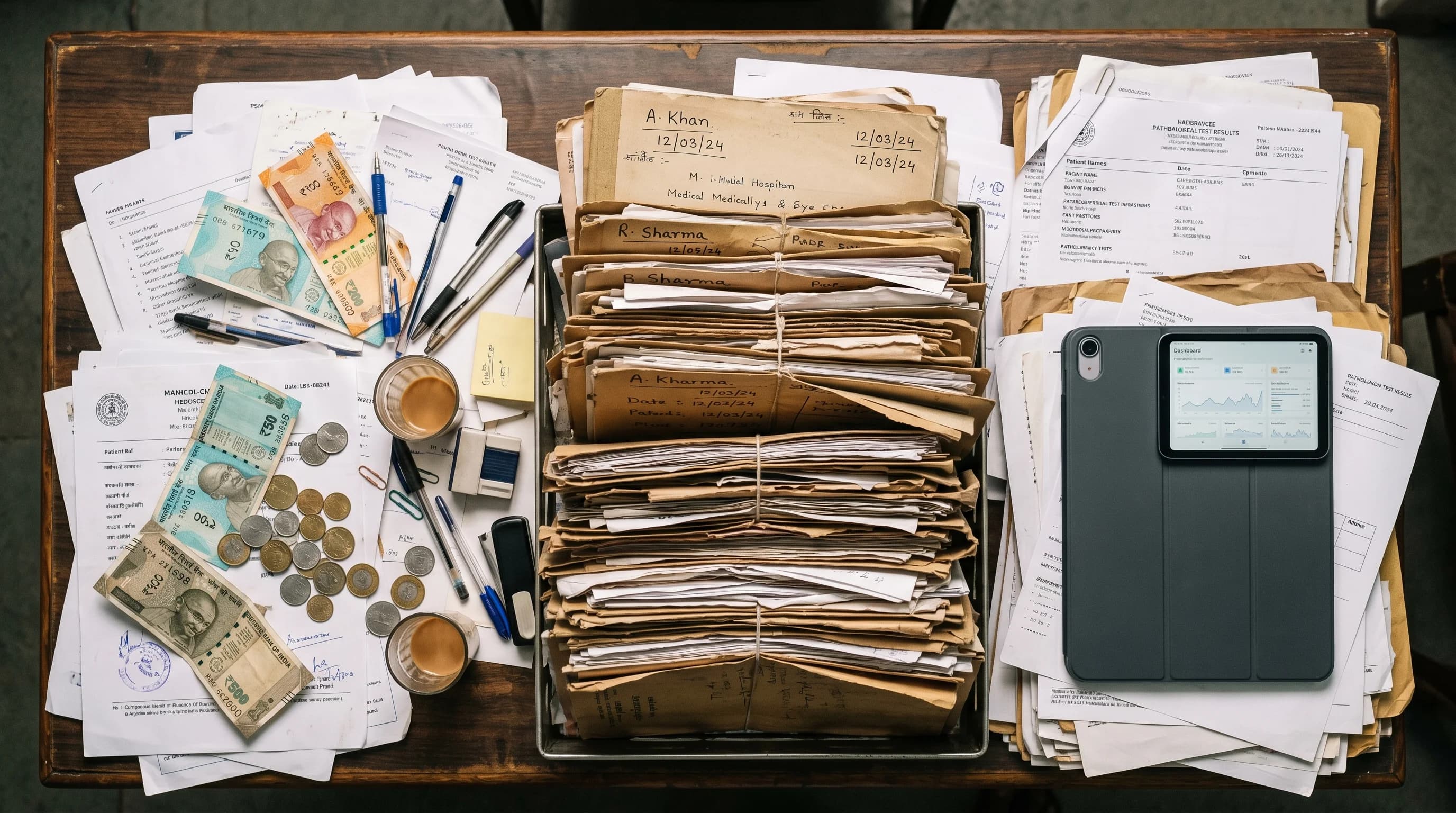
Dr. Sharma in Patna is running behind. Again. A patient with a stack of fading lab reports is trying to explain their history, while Dr. Sharma frantically searches through overflowing files. He knows there's a better way, but between appointments and paperwork, finding the time (and budget) to modernize feels impossible. This scenario is all too familiar for doctors across India, from bustling metros to smaller towns.
This article cuts through the hype surrounding digital healthcare and focuses on a practical solution: QR code-based medical record sharing. We'll explore how this technology, driven by the Ayushman Bharat Digital Mission (ABDM), can streamline your practice, improve patient care, and even boost your bottom line. This guide is specifically for Indian clinic owners, practicing doctors (GPs, specialists), and small-to-mid hospital administrators who need actionable information, not abstract theory. We'll cover costs in ₹, reference Indian regulations, and address the unique challenges faced by clinics in Tier 2 and 3 cities.
1. Understanding the ABDM and QR Code Integration
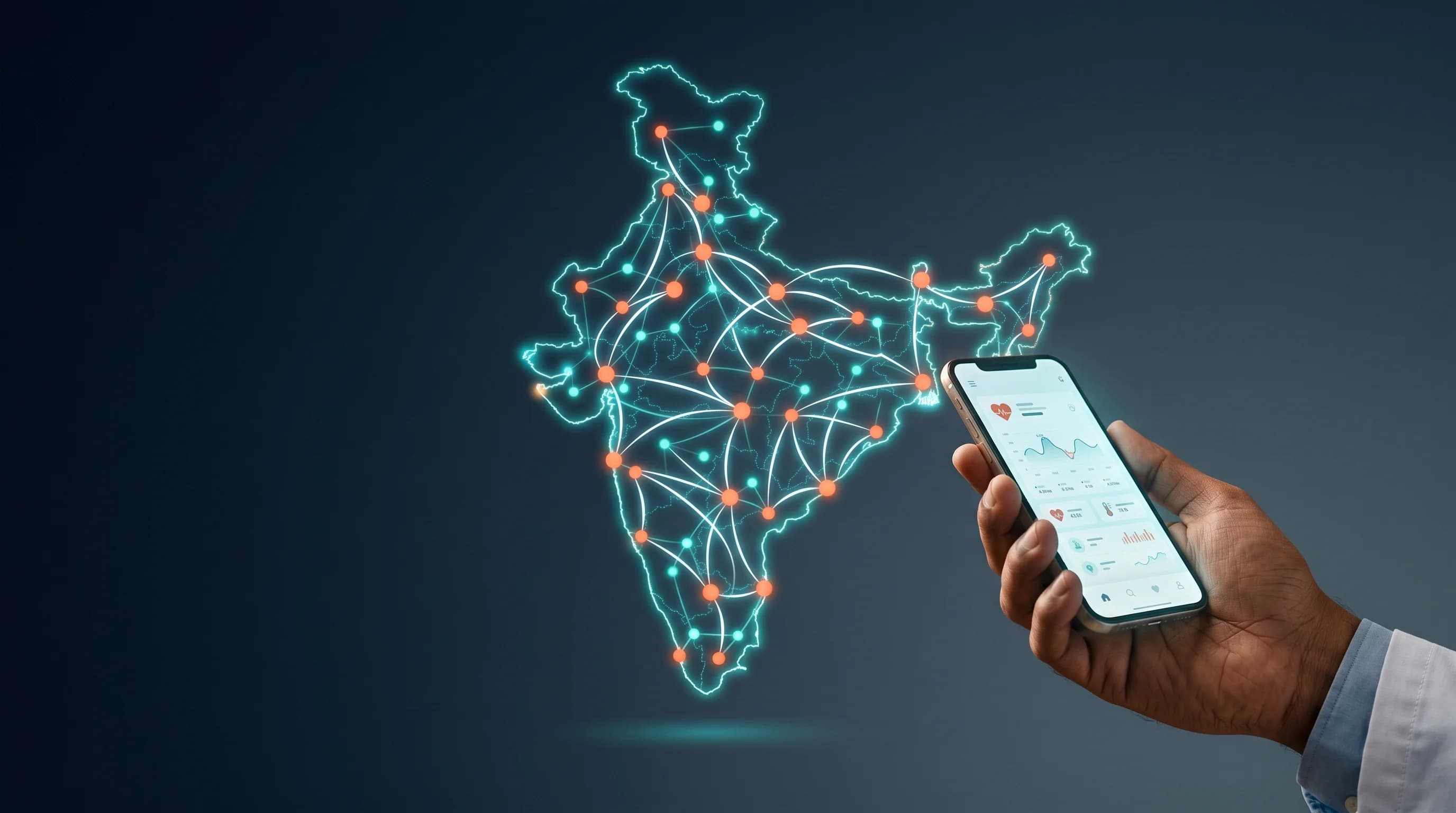
The Ayushman Bharat Digital Mission (ABDM) is revolutionizing healthcare in India, and QR codes are a key component. Let's break down how it works and what it means for you.
The ABDM Ecosystem:
- ABHA ID (Ayushman Bharat Health Account): Think of this as a unique health passport for every citizen. It's a 14-digit identifier that allows patients to link their medical records across different healthcare providers. As of recently, over 67 crore ABHA IDs had been created, linking 42 crore health records. This is significant progress in creating a unified digital health ecosystem.
- Health Facility Registry (HFR): A comprehensive directory of verified health facilities across India. Over 2.2 lakh facilities are listed, making it easier for patients to find and connect with your clinic.
- Health Professional Registry (HPR): A repository of verified healthcare professionals, including doctors like yourself. Joining the HPR increases your visibility and credibility.
- Unified Health Interface (UHI): This is the backbone that allows secure and standardized health data exchange between different systems.
How QR Codes Fit In: The "Scan and Share" Service
The National Health Authority (NHA) introduced the "Scan and Share" service, which is where QR codes come into play. It's designed to speed up OPD (Outpatient Department) registrations.
Here's how it works:
- Patient arrives: Instead of filling out lengthy forms, the patient scans a QR code displayed at your clinic using their smartphone or ABHA card.
- Data sharing: The code securely transmits the patient's demographic details and, with their consent, links to their existing health records stored under their ABHA ID.
- Faster registration: Your staff can quickly verify the information and register the patient, saving valuable time.
Practical Benefits:
- Reduced waiting times: In a pilot program, hospitals using the "Scan and Share" service saw a reduction in registration time by an average of 50%.
- Less paperwork: Eliminating manual form filling reduces administrative burden and errors.
- Improved data accuracy: Digital data capture minimizes the risk of transcription errors.
- Enhanced patient experience: Patients appreciate the convenience and efficiency of the process.
Example:
Imagine a patient, Mr. Kumar, visiting your clinic in Lucknow. He has multiple chronic conditions and has seen several doctors in the past. Without the "Scan and Share" service, he'd have to spend 15-20 minutes filling out forms and recounting his medical history. With the QR code, the registration process takes just a few minutes, and you have immediate access to his linked medical records (with his consent).
Getting Started:
- Register your clinic on the HFR: This is the first step to participating in the ABDM ecosystem.
- Generate a QR code: You can generate a unique QR code for your clinic through the ABDM portal.
- Display the QR code prominently: Place the QR code at your reception area where patients can easily scan it.
- Train your staff: Ensure your staff is trained on how to use the "Scan and Share" service and assist patients with the process.
2. Addressing Data Security and Privacy Concerns
The biggest concern among doctors and patients is data security. Here's how to address these concerns and ensure compliance with Indian regulations.
Key Principles:
- Data Minimization: Only collect and store data that is absolutely necessary for providing care.
- Purpose Limitation: Use the data only for the purpose for which it was collected.
- Informed Consent: Obtain explicit consent from patients before sharing their medical records.
- Data Security: Implement robust security measures to protect patient data from unauthorized access, use, or disclosure.
- Transparency: Be transparent with patients about how their data is being used and shared.
Specific Measures:
- Encryption: Use encryption to protect patient data both in transit and at rest.
- Access Controls: Implement strict access controls to limit who can access patient data.
- Audit Trails: Maintain detailed audit trails to track who accessed patient data and when.
- Data Backup and Recovery: Implement a robust data backup and recovery plan to protect against data loss.
- Cybersecurity Measures: Invest in cybersecurity measures to protect against cyberattacks.
- Compliance with IT Act 2000 and DPDP Act 2023: Ensure compliance with the Information Technology Act, 2000, and the Digital Personal Data Protection Act, 2023, which govern data protection in India.
Example:
Dr. Reddy in Hyderabad is concerned about data breaches. He implements a multi-layered security approach, including encryption, access controls, and regular security audits. He also trains his staff on data privacy and security best practices. This proactive approach helps him mitigate the risk of data breaches and maintain patient trust.
Cost Implications:
Investing in data security is not just a regulatory requirement; it's a business imperative. The cost of a data breach can be significant, including financial losses, reputational damage, and legal liabilities. While the initial investment in security measures may seem high, it's far less than the cost of recovering from a data breach. Expect to spend ₹10,000 - ₹50,000 annually on cybersecurity measures, depending on the size and complexity of your practice. This may include antivirus software, firewalls, and security audits.
3. Choosing the Right EMR System for Your Clinic
Selecting the right Electronic Medical Record (EMR) system is crucial for successful QR code integration and overall practice efficiency.
Key Considerations:
- ABDM Compliance: Ensure the EMR system is ABDM compliant and supports the "Scan and Share" service.
- Interoperability: Choose an EMR system that adheres to interoperability standards, such as HL7 or FHIR, to ensure seamless data exchange with other healthcare providers.
- Features: Select an EMR system that offers the features you need, such as patient scheduling, billing, e-prescribing, and reporting.
- Ease of Use: The EMR system should be user-friendly and easy to learn for your staff.
- Scalability: Choose an EMR system that can scale as your practice grows.
- Cost: Consider the total cost of ownership, including implementation, training, and ongoing maintenance.
- Support: Ensure the EMR vendor provides adequate support and training.
Comparison Table:
| Feature | Option 1 (Cloud-based) | Option 2 (On-premise) |
|---|---|---|
| Initial Cost | ₹15,000/year | ₹50,000 (one-time) |
| Recurring Cost | ₹15,000/year | ₹5,000/year (maintenance) |
| ABDM Compliance | Yes | Requires Customization |
| Interoperability | HL7, FHIR | Limited |
| Scalability | High | Limited |
| Support | 24/7 | Limited |
Tier 2/3 City Considerations:
Clinics in Tier 2/3 cities face unique challenges, such as limited internet connectivity and lower digital literacy rates. When choosing an EMR system, consider the following:
- Offline Functionality: Select an EMR system that offers offline functionality so you can continue to access patient data even without an internet connection.
- User-Friendly Interface: Choose an EMR system with a simple and intuitive interface that is easy for your staff to learn.
- Local Language Support: Select an EMR system that supports local languages.
- Affordable Pricing: Choose an EMR system that is affordable for your budget.
Cost-Effective Options:
- Cloud-based EMRs: Cloud-based EMRs typically have lower upfront costs and offer flexible subscription plans.
- Open-source EMRs: Open-source EMRs are free to use, but you may need to pay for implementation and support.
- Government Subsidies: Check if there are any government subsidies or incentives available for implementing EMR systems.
Example:
Dr. Patel in Surat chooses a cloud-based EMR system with offline functionality and local language support. The system is easy for his staff to learn and use, and the affordable subscription plan fits his budget. The offline functionality allows him to continue to access patient data even during power outages.
4. Training and Change Management
Implementing QR code-based medical record sharing requires more than just technology; it requires a well-trained staff and a smooth change management process.
Key Steps:
- Assess Training Needs: Identify the training needs of your staff based on their roles and responsibilities.
- Develop a Training Plan: Develop a comprehensive training plan that covers all aspects of the new system, including how to use the QR code scanner, access patient data, and maintain data security.
- Conduct Training Sessions: Conduct training sessions for your staff, using a combination of classroom training, hands-on exercises, and online resources.
- Provide Ongoing Support: Provide ongoing support and training to your staff to address any questions or issues that may arise.
- Communicate Clearly: Communicate the benefits of the new system to your staff and patients.
- Address Concerns: Address any concerns or resistance to change from your staff.
- Involve Staff in the Process: Involve your staff in the implementation process to get their buy-in and support.
- Monitor Progress: Monitor the progress of the implementation and make adjustments as needed.
Example:
Dr. Khan in Kolkata conducts a series of training sessions for his staff on how to use the new EMR system and the QR code scanner. He also creates a user manual and provides ongoing support to his staff. He communicates the benefits of the new system to his staff and patients, emphasizing the improved efficiency and patient care.
Tier 2/3 City Considerations:
In Tier 2/3 cities, it may be necessary to provide more extensive training and support to staff due to lower digital literacy rates. Consider the following:
- Hands-on Training: Provide more hands-on training and practical exercises.
- Simplified Language: Use simple and clear language in training materials.
- Local Language Support: Provide training materials and support in local languages.
- Peer-to-Peer Training: Encourage experienced staff to mentor and train new staff.
Cost Implications:
Training costs can vary depending on the size of your staff and the complexity of the EMR system. Expect to spend ₹5,000 - ₹15,000 per staff member on training. This may include the cost of training materials, instructor fees, and staff time.
5. Measuring the ROI of QR Code Medical Record Sharing
Implementing QR code-based medical record sharing is an investment, and it's important to measure the return on that investment (ROI).
Key Metrics:
- Reduced Registration Time: Track the reduction in registration time after implementing the "Scan and Share" service.
- Reduced Paperwork: Measure the reduction in paperwork and associated costs.
- Improved Data Accuracy: Monitor the reduction in data entry errors.
- Increased Patient Satisfaction: Survey patients to measure their satisfaction with the new system.
- Increased Efficiency: Track the increase in patient throughput and overall practice efficiency.
- Cost Savings: Calculate the cost savings from reduced paperwork, improved efficiency, and reduced errors.
- Revenue Growth: Monitor the increase in revenue due to increased patient throughput and improved patient satisfaction.
ROI Calculation:
ROI = (Net Profit / Cost of Investment) x 100
Example:
Dr. Verma in Jaipur implements QR code-based medical record sharing and sees a reduction in registration time by 50%, a reduction in paperwork by 75%, and an increase in patient satisfaction by 20%. He also calculates cost savings of ₹50,000 per year and revenue growth of ₹100,000 per year. His ROI is:
ROI = ((₹100,000 - ₹50,000) / ₹25,000) x 100 = 200%
Tier 2/3 City Considerations:
In Tier 2/3 cities, it may take longer to see a return on investment due to lower patient volumes and slower adoption rates. However, the long-term benefits of improved efficiency, reduced costs, and improved patient care will eventually outweigh the initial investment.
Cost-Effective Measurement:
- Use existing data: Leverage data from your EMR system and practice management system to track key metrics.
- Conduct patient surveys: Use free online survey tools to gather patient feedback.
- Track staff time: Monitor the time spent on various tasks to identify areas for improvement.
- Compare pre- and post-implementation data: Compare data before and after implementing QR code-based medical record sharing to measure the impact of the new system.
Ayu Health is the clinical intelligence layer that sits on top of your existing setup — no migration, no disruption.
Whether you're on Crystal, YaraGo, or any other system, Ayu connects without requiring you to switch, migrate, or retrain your staff. Your workflow stays intact. Your intelligence gets upgraded.
Ask it anything:
- "What was this patient's blood sugar trend over the last 6 months?"
- "What medications are they currently on — and are there any interactions?"
- "How many of my patients missed follow-up after their last procedure?"
Before a patient walks in, Ayu has already read their history, summarized what's changed since their last visit, and flagged what needs attention. You walk in informed. They leave feeling heard.
Your EMR stores data. Ayu makes it useful.
Frequently Asked Questions
Common questions about QR code medical record sharing and ABDM integration for Indian doctors
Conclusion
The shift to digital healthcare can feel overwhelming, but QR code-based medical record sharing offers a practical and manageable starting point. While full adoption may take time, especially in Tier 2/3 cities, the benefits are clear: streamlined operations, improved patient care, and a stronger bottom line.
Take Action Today:
Start by registering your clinic on the Health Facility Registry (HFR) under the ABDM initiative. This simple step opens the door to participating in the "Scan and Share" service and unlocking the potential of QR code-based medical record sharing. Don't wait for the future to arrive — build it.
Want to take control of your health records?
Ayu is a private health records app that keeps all your medical documents organised, accessible, and shareable — right from your phone.
- All records in one secure place
- Share with any doctor in seconds
- AI-powered report explanations