Go Paperless in 2025: A Guide for Indian Doctors & Clinics
Drowning in Paperwork? How Indian Doctors Can Go Paperless in 2025: A Practical Step-by-Step Guide
Imagine this: Mrs. Sharma walks into your clinic in Patna. She's a regular, but you can't immediately recall her history. You rifle through stacks of files, searching for her past records. The consultation is delayed, Mrs. Sharma gets impatient, and you’re left feeling flustered and less effective. This scenario, repeated countless times daily across India, highlights the inefficiency of paper-based systems.
This article is a practical guide for Indian doctors, clinic owners, and hospital administrators who are ready to ditch the paper and embrace a digital future. We'll break down the steps to go paperless in 2025, addressing the unique challenges and opportunities within the Indian healthcare landscape. We’ll cover everything from understanding government regulations to choosing the right EMR system and managing the transition smoothly, even in Tier 2 and 3 cities. This is about real solutions, real numbers, and actionable steps – no hype, just practical advice from one healthcare professional to another.
1. Understanding the Lay of the Land: The Indian Digital Healthcare Ecosystem
Before diving into implementation, let's understand the current state of digital healthcare in India. We're not starting from scratch. Government initiatives and market forces are already pushing the industry towards digitization.
- Adoption Rates: While a complete nationwide picture is still emerging, the trend is clear: digitization is increasing. Larger private hospitals and corporate facilities are leading the charge. Estimates suggest significant growth, particularly with the push from government programs.
- Market Growth: The India electronic health records market is projected to reach USD 1,396.2 million by 2033, growing at a CAGR of 8.3% from 2026. The overall digital health market is expected to hit USD 106.97 billion by 2033, with a CAGR of 25.12% from 2025. This demonstrates significant investment and potential in the sector.
- The Ayushman Bharat Digital Mission (ABDM): This is a game-changer. ABDM aims to create a unified, interoperable digital health ecosystem across India. Think of it as the digital backbone for healthcare, enabling secure, consent-based data exchange. As of January 20, 2025, over 73 crore Ayushman Bharat Health Accounts (ABHA) have been created, and more than 5 lakh health professionals are registered. This is a massive push towards a connected healthcare system.
- National Health Authority (NHA): The NHA is the driving force behind ABDM and other key healthcare programs like PM-JAY and CoWIN. They are actively promoting and facilitating digital adoption.
- Digital Health Incentive Scheme (DHIS): This scheme, under ABDM, offers financial incentives to healthcare providers who adopt digital health solutions and integrate digital health records. This can significantly offset the initial costs of going paperless.
Key Takeaway: The government is actively incentivizing and supporting the transition to digital healthcare. Understanding and leveraging these initiatives is crucial.
2. Facing the Hurdles: Common Challenges and How to Overcome Them
Going paperless isn't a walk in the park. Indian doctors face specific challenges that need to be addressed proactively.
- Resistance to Change: Many doctors, especially those with established practices, are comfortable with paper-based systems. They may see digital adoption as complex and time-consuming.
- Solution: Start small. Don't try to digitize everything at once. Begin with a specific area, like appointment scheduling or lab result management. Involve your staff in the decision-making process and provide adequate training. Highlight the benefits, such as reduced workload and improved patient care.
- Cost Considerations: Implementing an EHR system can seem expensive, especially for smaller clinics.
- Solution: Explore different pricing models. Many vendors offer subscription-based services, which can be more affordable than outright purchases. Consider the Digital Health Incentive Scheme (DHIS) under ABDM for potential financial assistance. Also, factor in the long-term cost savings from reduced paper consumption, storage, and administrative overhead. The cost of EHR installation can range from ₹9 lakh to ₹45 lakh, depending on features, clinic size, and integration needs.
- Data Privacy Concerns: Data security is paramount. Doctors are rightly concerned about protecting patient information.
- Solution: Choose an EHR vendor with robust security measures, including encryption, access controls, and regular data backups. Ensure compliance with Indian data privacy regulations. Implement strong password policies and train your staff on data security best practices.
- Infrastructure Limitations: Many clinics, particularly in Tier 2 and 3 cities, lack reliable internet connectivity and adequate IT infrastructure.
- Solution: Explore cloud-based EHR solutions, which require less on-site infrastructure. Partner with local IT providers to improve internet connectivity. Consider government initiatives that provide subsidized internet access to healthcare facilities.
- Interoperability Issues: Different EHR systems may not be compatible, making it difficult to share patient data seamlessly.
- Solution: Prioritize EHR systems that comply with ABDM standards and support interoperability. Advocate for industry-wide standards to ensure seamless data exchange.
- Training Requirements: Transitioning to a new system requires comprehensive training for all staff.
- Solution: Choose an EHR vendor that provides thorough training and ongoing support. Designate a "super-user" within your clinic who can become the go-to person for technical assistance. Utilize online training resources and consider peer-to-peer learning.
- Lack of Awareness: Some doctors may not be fully aware of the benefits of going paperless or the resources available to support them.
- Solution: Attend industry conferences and workshops to learn about the latest digital health technologies. Network with other doctors who have successfully implemented EHR systems. Educate yourself on the government's digital health initiatives and how they can benefit your practice.
Checklist: Overcoming Implementation Challenges
- Identify your clinic's specific needs and challenges.
- Explore different EHR vendors and pricing models.
- Secure reliable internet connectivity and IT infrastructure.
- Develop a comprehensive training plan for your staff.
- Implement robust data security measures.
- Ensure compliance with ABDM standards and data privacy regulations.
- Start small and gradually expand your digital footprint.
3. A Step-by-Step Guide to Going Paperless in 2025
Here's a practical roadmap to help you transition to a paperless practice:
Step 1: Assessment and Planning (1-2 Weeks)
- Analyze Your Current Workflow: Map out your existing processes, from patient registration to billing. Identify areas where paper is heavily used and where digitization can have the biggest impact.
- Define Your Goals: What do you want to achieve by going paperless? Improved efficiency, reduced costs, better patient care? Set clear, measurable goals.
- Budget Allocation: Determine how much you can realistically invest in an EHR system and related infrastructure. Factor in potential funding from the DHIS scheme.
- Form a Team: Assemble a team of key staff members to lead the implementation process. This team should include doctors, nurses, administrators, and IT personnel.
Step 2: EHR System Selection (2-4 Weeks)
- Research Vendors: Explore different EHR vendors that cater to the Indian healthcare market. Consider factors like features, pricing, scalability, interoperability, and customer support. Remember to avoid mentioning competitors by name.
- Request Demos: Schedule demos with several vendors to see their systems in action. Ask specific questions about their functionality, security, and compliance with Indian regulations.
- Check References: Talk to other doctors who are using the systems you're considering. Get their feedback on the pros and cons.
- Negotiate the Contract: Carefully review the contract with your chosen vendor. Pay attention to the terms of service, data ownership, and support agreements.
Step 3: Infrastructure Setup (1-3 Weeks)
- Upgrade Internet Connectivity: Ensure you have a reliable and fast internet connection. Consider a dedicated line for your clinic.
- Install Hardware: Purchase the necessary hardware, such as computers, tablets, scanners, and printers.
- Configure Network: Set up a secure network to connect all your devices.
Step 4: Data Migration (2-6 Weeks)
- Develop a Data Migration Plan: Determine how you will transfer your existing patient data to the new EHR system.
- Cleanse and Organize Data: Ensure your data is accurate and consistent before migrating it.
- Migrate Data in Batches: Avoid migrating all your data at once. Start with a small subset and gradually expand.
- Validate Data: After migration, carefully validate the data to ensure it was transferred correctly.
Step 5: Training and Implementation (4-8 Weeks)
- Develop a Training Program: Create a comprehensive training program for your staff on how to use the new EHR system.
- Conduct Training Sessions: Schedule regular training sessions for all staff members.
- Provide Ongoing Support: Offer ongoing support to your staff as they become familiar with the system.
- Go Live Gradually: Implement the new system in phases. Start with a small group of patients and gradually expand.
Step 6: Monitoring and Optimization (Ongoing)
- Monitor System Performance: Track key metrics, such as patient wait times, billing accuracy, and staff efficiency.
- Gather Feedback: Regularly solicit feedback from your staff and patients on the EHR system.
- Optimize Workflow: Continuously refine your workflow to maximize the benefits of the EHR system.
- Stay Updated: Keep your EHR system up to date with the latest software releases and security patches.
Tier 2/3 City Considerations:
- Connectivity Challenges: In areas with limited internet access, prioritize cloud-based solutions that can function with intermittent connectivity. Explore offline data entry options that sync when a connection is available.
- Cost Sensitivity: Look for affordable EHR solutions specifically designed for smaller clinics. Consider open-source options or government-subsidized programs.
- Training Needs: Provide extra training and support to staff who may have limited computer literacy. Use visual aids and hands-on exercises.
Cost & ROI Realities:
- Costs: As mentioned earlier, initial installation costs can range from ₹9 lakh to ₹45 lakh. Perpetual licenses can cost between ₹75,000 and ₹20,00,000, while subscription models can range from ₹13,000 to ₹22,50,000 annually.
- ROI: The return on investment comes in several forms:
- Time Savings: Automating tasks frees up staff time for more patient-focused activities.
- Reduced Errors: Digital records minimize the risk of lost or misfiled information.
- Improved Billing: Streamlined billing processes lead to faster and more accurate payments.
- Better Patient Care: Access to comprehensive patient data enables more informed decision-making.
Studies show that implementing an EHR can save over 3 hours per patient file in nursing and documentation work and can reduce consultation costs by 50%, making healthcare more affordable.
4. Navigating the Regulatory Landscape: ABDM, NABH, and More
Staying compliant with Indian regulations is crucial. Here's what you need to know:
- ABDM Compliance: Familiarize yourself with the ABDM guidelines and standards. Obtain your ABHA ID and encourage your patients to do the same. Ensure your EHR system is interoperable with the ABDM network.
- NABH Accreditation: If you're seeking NABH accreditation, understand that the 6th Edition emphasizes digital patient records. Implementing a paperless system can significantly improve your chances of achieving accreditation.
- Data Privacy Regulations: Adhere to all applicable data privacy regulations, including the Information Technology Act, 2000. Implement robust security measures to protect patient data.
- National Medical Commission (NMC): While the NMC doesn't explicitly mandate EHR adoption, the move towards digitization aligns with their goals of modernizing medical education and practice.
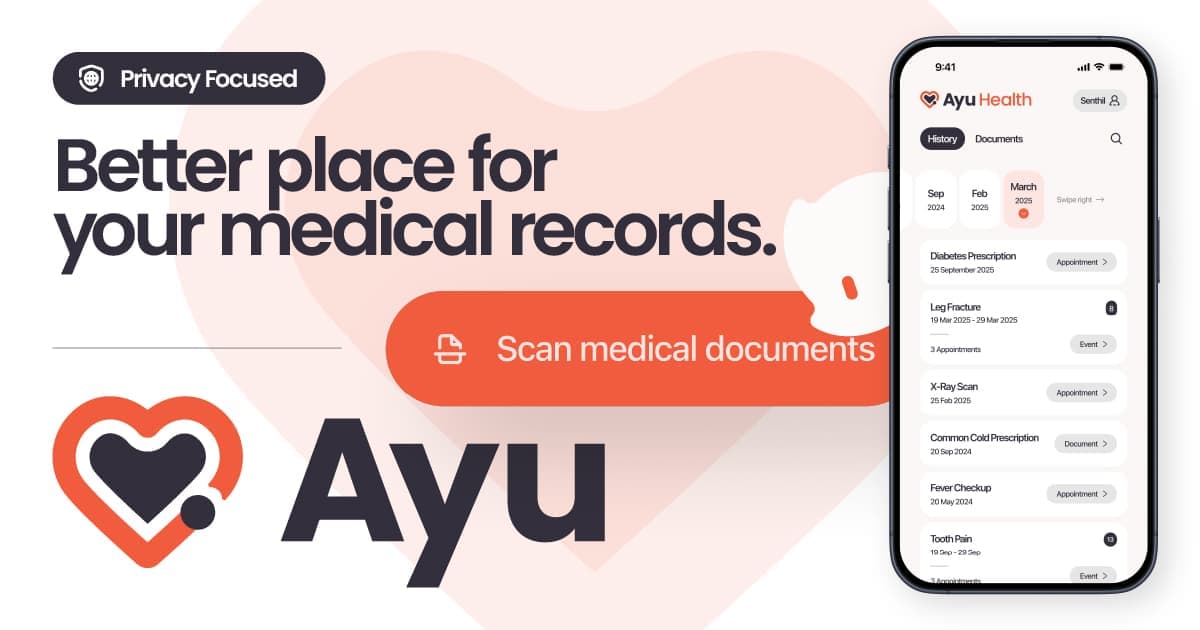
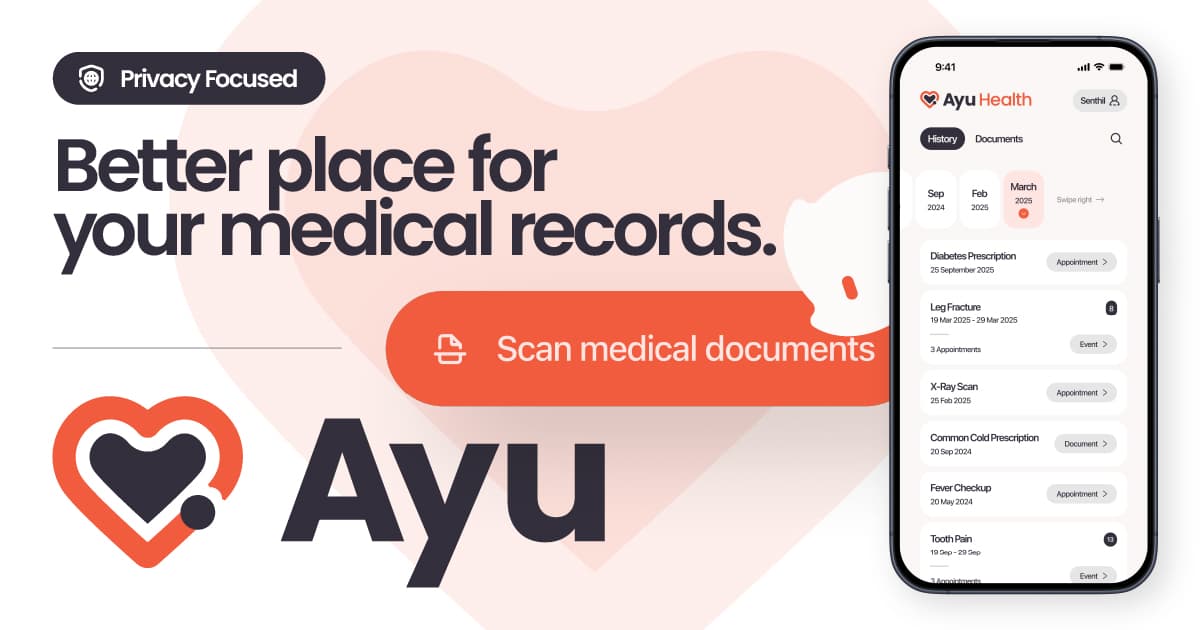
How Ayu Helps Your Clinic
Doctors today are drowning in data but starving for insight. Every consultation generates records — prescriptions, test results, imaging, vitals — scattered across EMRs, paper files, WhatsApp screenshots, and lab printouts.
Ayu is the clinical intelligence layer that sits on top of your existing setup — no migration, no disruption.
Whether you're on Crystal, YaraGo, or any other system, Ayu connects without requiring you to switch, migrate, or retrain your staff. Your workflow stays intact. Your intelligence gets upgraded.
Ask it anything:
- "What was this patient's blood sugar trend over the last 6 months?"
- "What medications are they currently on — and are there any interactions?"
- "How many of my patients missed follow-up after their last procedure?"
Before a patient walks in, Ayu has already read their history, summarized what's changed since their last visit, and flagged what needs attention. You walk in informed. They leave feeling heard.
Your EMR stores data. Ayu makes it useful.
Frequently Asked Questions
Here are some common questions doctors and clinic owners ask about going paperless:
- What are the legal requirements for digital medical records in India?
- Digital medical records must comply with the Information Technology Act, 2000, and relevant data privacy regulations. Ensure your EHR system has robust security measures and adheres to ABDM guidelines.
- How does ABDM facilitate paperless healthcare, and what are the benefits for my practice?
- ABDM provides a digital infrastructure for secure data exchange, enabling seamless sharing of patient information between healthcare providers. This improves care coordination, reduces redundancy, and enhances efficiency.
- What are the most common challenges faced during EHR implementation, and how can they be overcome?
- Common challenges include resistance to change, cost considerations, data privacy concerns, and infrastructure limitations. Overcome these by starting small, choosing the right vendor, securing reliable connectivity, and providing adequate training.
- How can I choose the right EHR vendor for my specific needs and budget?
- Research different vendors, request demos, check references, and carefully review the contract. Consider factors like features, pricing, scalability, interoperability, and customer support.
- What are the best practices for data security and privacy in a paperless clinic?
- Implement strong password policies, use encryption, control access to data, regularly back up your data, and train your staff on data security best practices.
- How can I train my staff to effectively use the new EHR system?
- Develop a comprehensive training program, conduct regular training sessions, provide ongoing support, and designate a "super-user" within your clinic.
- What is the ROI of implementing a paperless system in my clinic?
- The ROI includes time savings, reduced errors, improved billing accuracy, and better patient care. Studies show significant cost savings and efficiency gains.
- How can I ensure interoperability with other healthcare providers and systems?
- Choose an EHR system that complies with ABDM standards and supports interoperability. Advocate for industry-wide standards to ensure seamless data exchange.
Conclusion
Going paperless in 2025 is not just a trend; it's a necessity for Indian doctors who want to provide efficient, high-quality care. By understanding the challenges, following a structured approach, and leveraging available resources, you can successfully transition to a digital practice.
Your Action Step Today: Start by creating your ABHA ID. This is a simple first step that will get you on the path to digital healthcare. It's free, easy, and a crucial step towards a more connected and efficient future for your practice. Don't wait – take control of your future today.